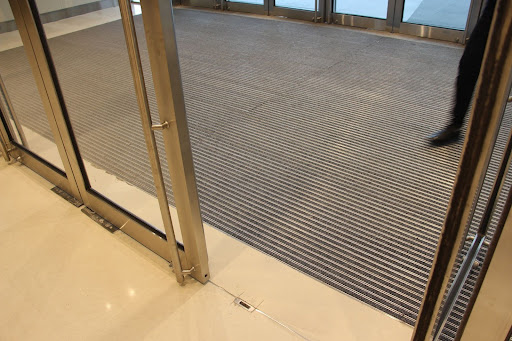
The performance of the interior carpet flooring is pre-decided when the occupants step in. Entrance matting collects dirt, moisture, and debris at the entrance, which stops abrasive particles from reaching the interior surfaces. Protection level to traffic conditions and installation constraints – all get matched to the right entrance mat types.
This guide is a description of the key product types, how they are constructed, and in which situations they will work best. To understand how to plan entrance protection in the project schedule and how to liaise with carpet flooring India specifications, refer to our companion article: How to Incorporate Entrance Matting into Your Projects.
Surface Entrance Mats
Surface entrance mats are placed directly on the floor without needing a recess. They are dependent on supporting material and weight to hold their place.
Construction and Backing
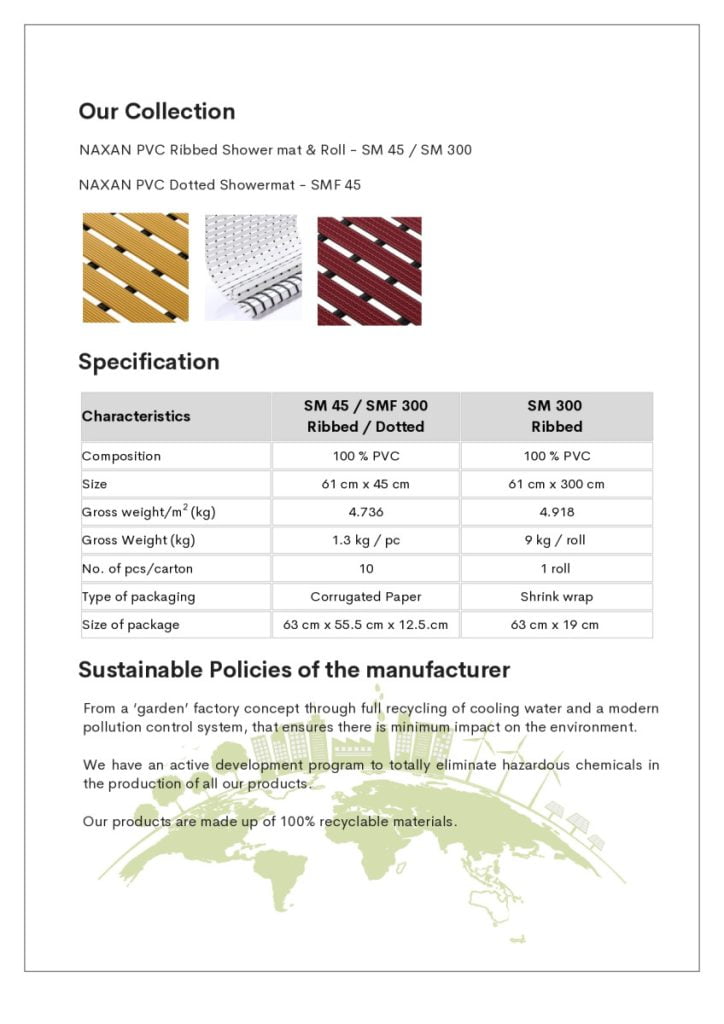
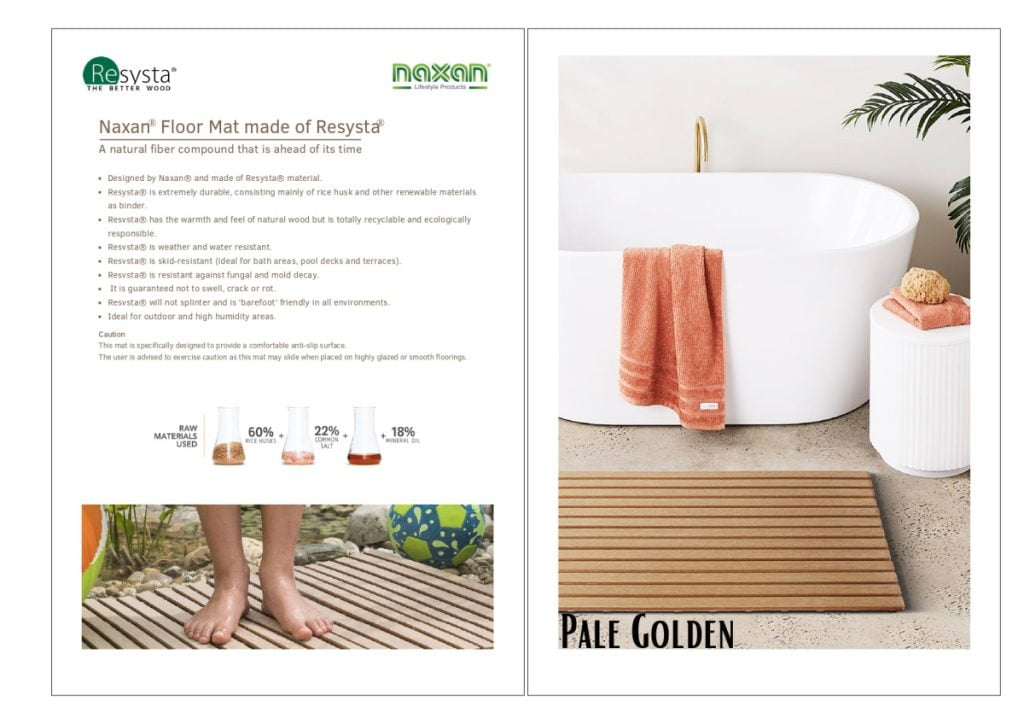
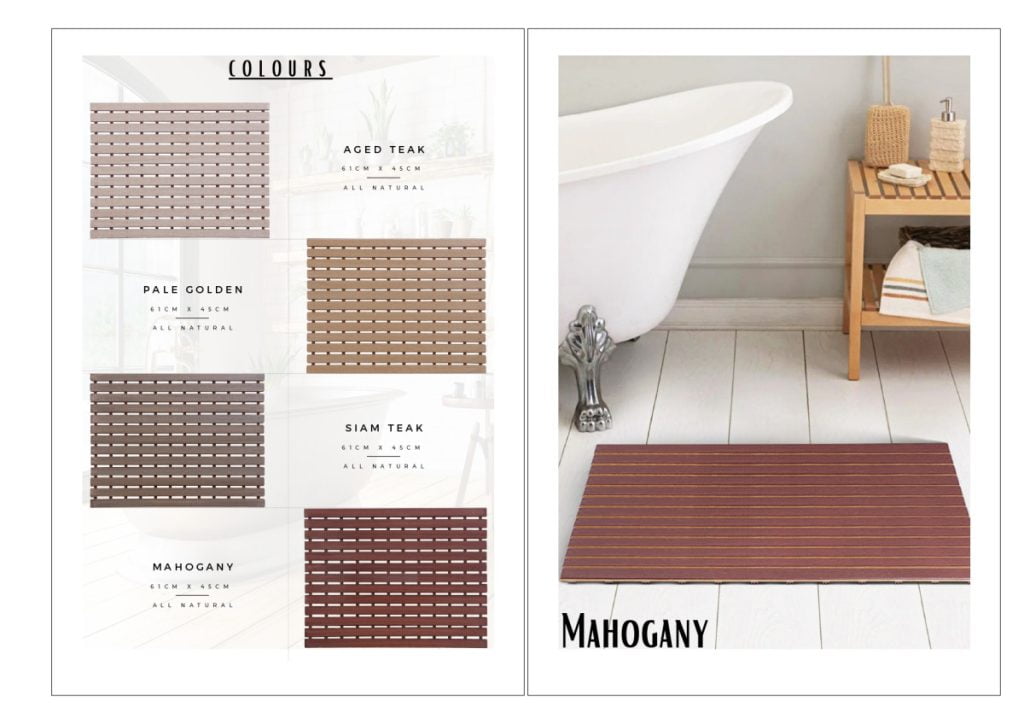
First, stability is provided by the backing layer. Thick TPR (thermoplastic rubber) backing – offers grip and cushioning, to be used in domestic and low-end commercial applications without a long-term solution.
The cleaning is also dependent on the type of mat surface. Also, nonwoven polypropylene forms a dense surface that entraps fine dust and moisture. These mats can be washed completely in the machine when combined with the significant support of TPR, like in the MegaRib range.
Stiffened Scraper Configurations.
In places where the gravel and broken stone are prevalent, the ordinary textile surfaces might lack enough scraping power. In fact, entrance mat construction is combining polyscraper strands that are thicker and hardened with regular fibers for better performance against coarse debris and stuff.
The Universal range employs this method, with the polyscraper elements set at intervals to deal with the situations where coarse particles need to be taken away before the fine dirt can be handled.
Heavy Commercial Performance.
Increased traffic and regulatory demands require varying material properties. Polyamide (nylon) fibers have higher durability and can satisfy fire performance standards demanded in commercial buildings. Sustained use, fire-rated construction, predictable use case with certifications – commercial entrance solutions like our Corridor range are best.
Aluminium Entrance Systems
As traffic/ wheeled movement increases, surface entrance mats may stop providing adequate stability or cleaning capacity. Aluminium entrance systems do offer a structural alternative.
Modular Construction
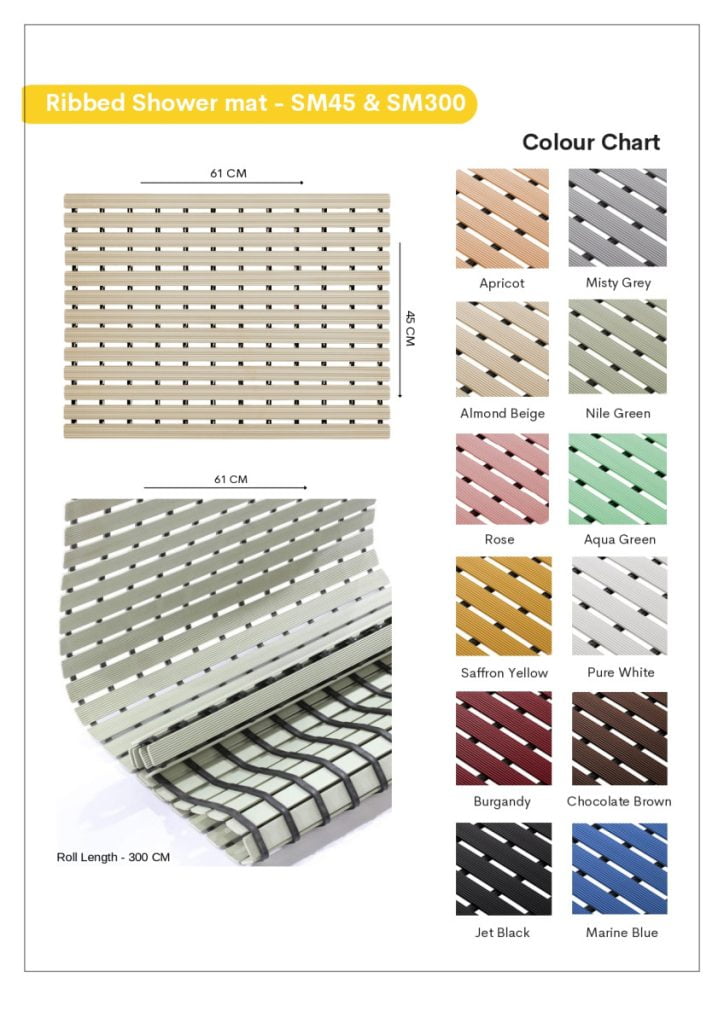
Aluminium systems are built into the entrance structure, unlike loose mats. The aluminium profiles with an anodised coating are connected with flexible connectors and EVA backing to form a continuous platform that can support pedestrian traffic as well as carts and luggage wheels without any movement.
What makes these systems adaptable is the way they are conceived – modular entrance matting design. The aluminium frame has removable inserts that are set up according to cleaning requirements:
Aggressive scraping of things using PVC strips.
Grit removal nylon brush elements.
Moisture containment/ isolation carpet flooring inserts.
The inserts can be changed when they wear out, which helps in saving money by not changing the inserts completely.
Installation Types
Two installation methods apply to various project conditions.
Surface-mounted systems can be installed above the floor, in particular. Smooth edges are made by optional aluminium surface frames. This method works well when construction did not have recess in mind. The KDB system is built to accommodate this type of installation, which provides structural performance in residential and light commercial construction without requiring a modification of the floor.
They are recessed and placed into prepared mat wells – even with the surrounding flooring. Profiles with higher depths offer higher load tolerance and can be used in high-traffic commercial or public settings. The GDA system is designed to be recessed-installed, the structural depth and anchoring help in supporting long-term heavy usage.
Both systems apply to either of the installation types, but their design features predispose them to particular applications.
Maintenance and Performance.
Aluminium entrance systems require a higher initial investment than surface mats. Their replaceable insert design and durability. However, support long-term usage. When required, inserts can be changed without having to replace the underlying structure, and this leads to selective maintenance instead of total replacement.
Aluminium systems are appropriate when the entrance protection needs to be effective in terms of years in heavy conditions due to their load-bearing capacity, modular flexibility, and structural integration.
Comparing Performance Levels.
Installed without modifying the floor, moderate traffic – less wheels using, and maintenance allows periodic washing or replacement – Surface entrance mats work well. The initial cost is cheaper, and replacement is less expensive.
Aluminium entrance systems are good for high wheeled use, high foot traffic, which needs stability & long term performance, with possibly low maintenance. Increased pre-investment contributes to longer service life because of modular replacement of the inserts.
The type of backing and the material used, as well as the way of installation, affect performance in practice. Knowledge about these variables is useful in aligning products to conditions.
Layering Protection
In high-exposure settings, effective entrance protection may use a sequence of multiple types of mat. Scraper mat at entrance – removes coarse debris. It is followed by a textile/brush zone – for finer grit, and then absorbent layer – to occupants of remaining moisture before they get into the interior. Coordinating surface entrance mats/aluminium entrance systems (integrated – with inserts), removing danger with inward movement, protecting floors.
Next Steps
The basis for deciding is knowing what entrance mat types exist and how they can be made. The second step is to know how to measure entrance conditions, coverage areas, and installation coordination within the project schedules.
To learn more about how to use entrance protection, refer to: How to Incorporate Entrance Matting into Your Projects.