The accent wall has been a staple feature in interior design for many years now.
Choose one wall. Add a vibrant color, texture, wallpaper, or art pattern. Done.
In 2026, however, it’s looking down.
The floor is beginning to take the limelight.
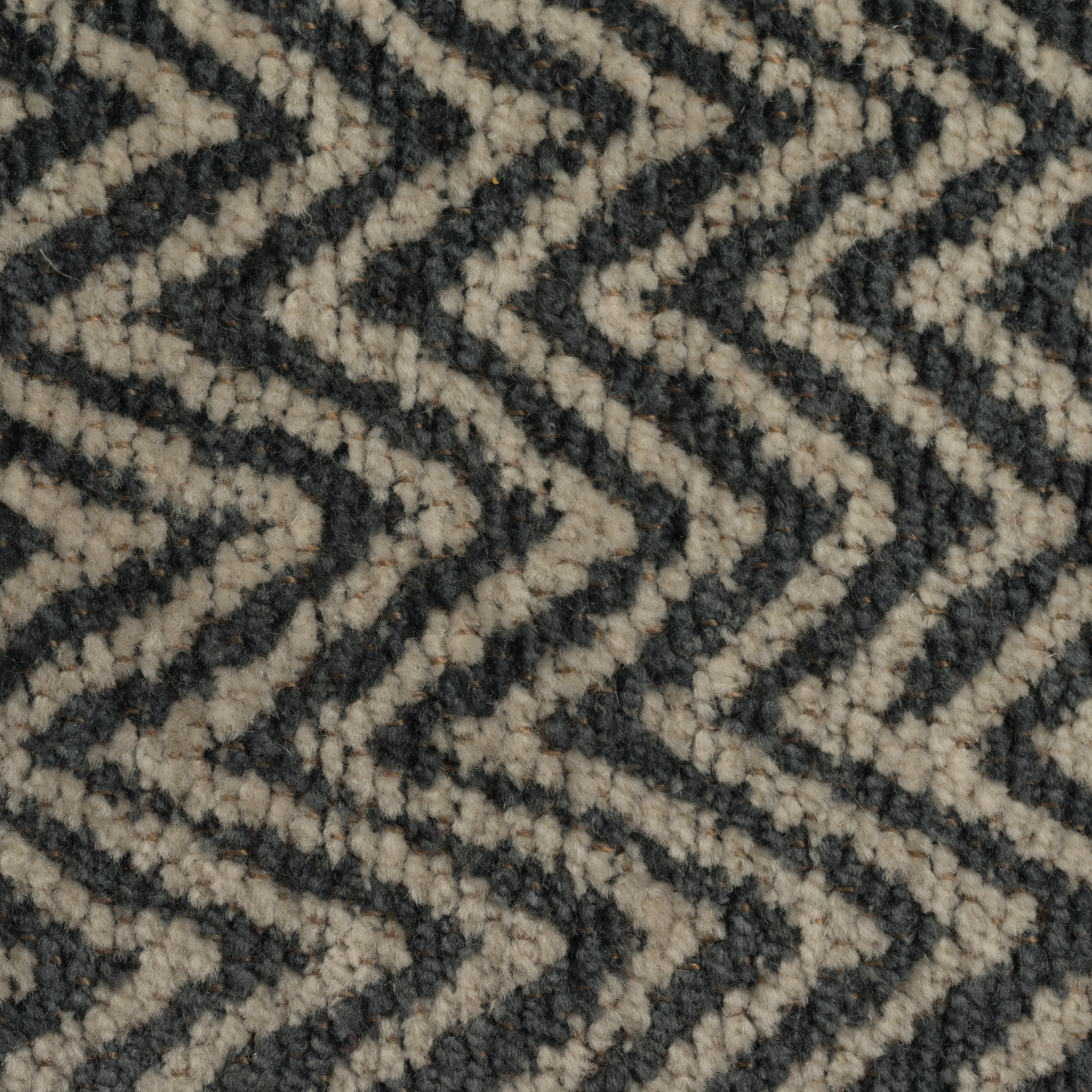
While bold designs have been adopted by architects and interior designers for walls, they are now increasingly integrating pattern, texture, movement and personality into their floor designs. It is particularly noteworthy with Patterned Carpet Flooring, as it can make a statement while maintaining a warm, comfortable and balanced appearance.
And the best part?
It doesn’t have to be a complete room makeover.
Sometimes, it’s the design of what you’re standing on that makes the entire space.
Collections like Classic Wilton, Allure and Regalia provide various ways to play with patterned and textured flooring to make for an understated luxury or for a much bigger effect.
What is causing the shift from walls to floors?
Interior design is turning more and more personal.
The room is in perfect harmony and is slowly losing ground to more characterful rooms. Designers are not creating a perfect match of materials, textures, colours and patterns.
Thus, the floor surface has become a key element in the design.
In the past, it was thought that floors ought to be quiet.
Now, it can be:
Decorative
Textured
Expressive
Architectural
Brand-driven
Visually memorable
Carpeted floors are great for Patterned Carpet Flooring due to the fact that carpet already takes up a huge space in the field of vision. Thus, if a good design is implemented, it can make a strong impact without the need for several adornments.
Consider it a horizontal accent wall.
Why Carpet is an Effective Design Cue
Carpet is better than a lot of hard flooring materials because of its visual design as well as physical comfort.
If you are looking to add some color and movement into your room, you can use a patterned carpet to help soften the space while adding some movement.
This can be a benefit for interior spaces in homes and office buildings alike.
In the home, a patterned floor can add personality to:
Living rooms
Bedrooms
Home offices
Family rooms
Entertainment spaces
It can be used to help establish:
Reception areas
Meeting spaces
Hotel corridors
Lounges
Hospitality areas
Work zones
The result is a floor that enhances the life of a room instead of just filling in the bottom.
The trick to working with pattern without overwhelming a space.
Here, designers will have to make sure.
A bold floor doesn’t have to make the rest of the room boring.
It’s all about balance.
If the flooring pattern is strong, use other elements that are more subdued.
For example:
The home furnishings are minimal and the carpet is bold.
Have the floor become a focal point.
Subtle Pattern + Statement Furniture
Support the furniture with the carpet, rather than let the carpet compete with the furniture.
Textured Carpet + Neutral Walls
This helps to add a sense of depth but not clutter in the room.
Don’t make it so ‘busy’ that everything is competing for attention.
It’s about the choice of the location for the eye to be placed first.
Classic Wilton: Pattern Meets Timeless Craft
Woven carpet can be a great option for designers looking for a design that doesn’t follow a fad.
Classic Wilton is woven using 100% Heatset Olefin pile. The pile height of the collection is approximately 12 mm, the pile weight of the collection is approximately 1520 g/m2 and the total weight of the collection is approximately 2450 g/m2.
It can be used for medium contracts and is ideal for public spaces, corridors, guest rooms, restaurants, casinos, VIP lounge areas and staircases.
In addition, the collection includes a 10-year carpet wear warranty and a lifetime antishock carpet warranty.
Wilton Carpet is especially intriguing for makers looking for a comprehensive pattern alongside a classic, high quality look.
Woven patterns do not signal a passing fad, but can bring a sense of consistency and longevity to an interior design.
Allure: Pattern Through Texture
All statements don’t have to have a noisy pattern. All statements don’t require noisy patterns.
Sometimes it’s the texture that says it all.
Allure’s approach to design is cut and loop textures. It is made of 100% Nylon 6 BCF face fibre, solution-dyed yarns, and is constructed using the Cut & Loop Textured Loop technique.
The width of the collection is approximately 3.66 m, the pile height is 7 mm, and the pile weight is around 32 oz (total weight is around 59 oz).
It also has specifications of stain resistance and good colourfastness performance.
This can be an intriguing choice for designers who want depth in their flooring but are not looking to use an eye-catching graphic pattern.
This texture reflects light at different angles over the surface, giving a subtle ‘movement’.
When it comes to a neutral room in the home, that can make it richer.
It can also be used to create a more sophisticated atmosphere in a corporate environment, without taking the focus away from the furniture or branding.
Regalia: When the Floor demands Attention
There are other places, however, where subtle just isn’t enough.
This is where Regalia can have a bigger impact.
Printed carpet technology provides the designer with greater expressive variations of the pattern and a more detailed design.
The carpet may not be a background piece, but it can be an art component to the interior.
This can be particularly beneficial in:
Luxury hospitality
Restaurants
Banquet spaces
Executive environments
Premium lounges
Statement reception areas
In projects where the designer desires the carpet to be a primary focus, Regalia illustrates the way contemporary carpet can be an eye catching element.
Patterned Carpet Flooring doesn’t have to be “Loud”.
An important difference.
Pattern can be very subtle.
This pattern could be seen as:
Tone-on-tone geometry
Fine linear details
Organic textures
Repeated motifs
Small-scale graphics
Large abstract forms
It depends on what kind of ambience you’re going for.
A luxury hotel can employ a complex pattern to add to the richness.
Subtle geometry can be used to enhance the architectural lines in a modern office.
Soft texture is a way to add warmth to a home.
Therefore, Patterned Carpet Flooring does not refer to one specific design. It is a design aid.
How to Choose the Right Pattern for Your Space
Look at the room before picking out a pattern.
1. Consider the Size
In a large room, large patterns can make a statement.
If you want a consistent visual rhythm, then it is better to use smaller patterns.
2. See the Furniture
When the furniture already has a bold print, opt for a more subdued carpet.
The floor can be more personal if the furniture is kept to a minimum.
3. Study the Lighting
Natural light can draw attention to the variation of texture and colour.
The pattern will look different with artificial lighting in the evening.
4. Think About Traffic
In addition, there’s a need for a beautiful carpet to behave suitably in the room.
There may be different constructions of carpet for residential rooms, light commercial areas and areas with high traffic.
5. Think Long-Term
Consider whether you like the pattern, or only like it because it’s in style.
Ideally, good flooring will feel as it did for years to come.
Why Patterned Flooring Is Especially Interesting in Offices
The modern office space is more than just a place to work.
These are getting more and more collaborative, employee, brand and hospitable.
All of these objectives can be facilitated with flooring.
A patterned floor can help to divide:
Reception areas
Informal meeting zones
Collaboration areas
Individual workspaces
Breakout spaces
This is because the carpet is not just for decoration.
It can impact understanding and movement within the workplace.
For instance, a shift in pattern or texture can help to suggest a different purpose for one area of the office versus another, such as a collaborative area versus the focused workspace.
The New Accent Wall Is More Than a Trend!
The trends in flooring are gaining expression for a larger reason.
Individuality of interior spaces is what people are searching for.
They don’t want all rooms to be dressed alike.
Designed flooring provides one more surface for designers to play with.
Instead of asking:
What color would the walls be?
the conversation is becoming:
What atmosphere or ambiance do you want for this area?
And sometimes the answer is in the floor.
Carpet Flooring India: A Change to More Expressive Interiors
The Indian interior market is turning to be design conscious.
Homeowners are impacted by global design trends and architects and designers are testing materials that are visually appealing and perform well.
This is giving more space to expression flooring.
The debate on the feasibility of carpet in India has come a long way from just wondering if it is feasible.
The question is becoming more and more:
What can carpet add to the design?
It can add warmth.
Can enhance acoustical comfort.
Can add texture.
Can make areas.
And, if done wisely, it can be one of the most powerful visual components in the space.
The Bottom Line
The accent wall will not go away.
It’s just a bit of competition.
With designers exploring fresh options for creating iconic interior designs, Patterned Carpet Flooring is providing them with a new surface to experiment with.
The best part of the trend is that you don’t have to have bold floors on all of them.
A complex woven design, a textured surface, or an interesting graphic design can all convey a message.
Important is the selection of the right level of personality for the space.
Great interior design does not mean that all the elements are shouting.
At times it’s about giving one element a voice and giving all the rest the ears.
That’s what that element could be in 2026.